
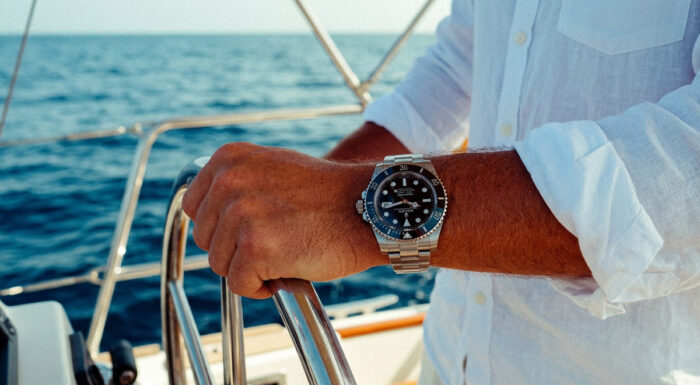
Attempting To Purchase Some Luxury Items Can Become a Living Nightmare
You’re standing inside the Rolex Boutique. Your eyes settle on the Cosmograph Daytona glistening in the display. Patting the inside of your pocket, you confirm your means of payment is with you, ready to close the gap between that watch and your wrist.
The only thing standing between you is … the sales associate. She’s not letting you leave with that watch. Not a chance.
“Money stopped being the limiting factor to accessing a highly in-demand watch a long time ago,” said Paul Altieri, founder and CEO of Bob’s Watches, a pre-owned luxury watch exchange. “It’s almost entirely relationship-driven at this point. They track purchase history and allocate the desirable references like Daytonas and steel Sports models to their best customers.”
And if you’re not on their nice list—or any list at all?
“You’re not getting the call,” Altieri added.
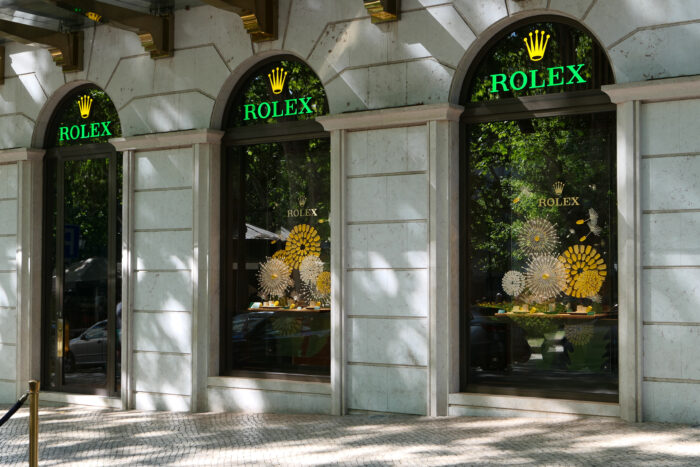
That’s because purchases like this are often political, no matter how much money you have. He noted that authorized Rolex dealers often operate as a “relationship-first” business. This means that a longtime customer who buys consistently across multiple categories will always get the call. The item they want is not only in; it’s available for them to buy before a person who walks in with cash but has a zero purchase record.
“Purchase history is how they measure the relationship, so the two are linked,” he continued.
New watches are sold only through Official Rolex Jewelers, which receive regular deliveries and “independently manage the allocation and sales of watches to customers,” according to Rolex.
To be sure, Rolex produces a lot of watches—1.15 million last year alone, according to WatchPro. Naturally, not every model is manufactured in the same quantity. Add retailer discretion, and the gap between availability and access becomes apparent.
It’s where the modern luxury game lives. And Rolex is hardly alone.
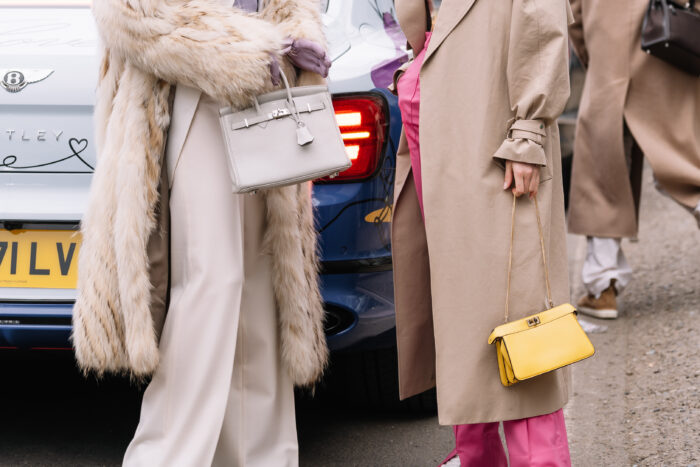
If the watch world has turned access into a relationship-managed performance, Hermès has made it an art form. The premier French luxury house is famous for the Kelly, Constance and, most of all, the Birkin bag, none of which are sold online.
Instead, they can only be purchased in Hermès stores, where customers are invited to visit and “discuss availability.” Whether or not you leaves with your desired item harkens back to that nice list. If you’re not on it, you may be offered a “spot” on another list: the waitlist.
For many, this is retail purgatory.
“I don’t like the idea of the waitlists and find a lot of the politics behind the practice quite unpleasant,” said Ariel Adams, founder and owner of aBlogtoWatch.
He went on to explain that those new to, say, watch collecting may find the idea of a waitlist benign enough. It’s how some authorized dealers choose to use these waitlists, though, that irks him. According to Adams, waitlists are sometimes used as a way to manipulate and pressure customers into doing things that they probably would not otherwise do.
“Most waitlists today are fabricated schemes to get consumers emotionally hooked, and they are often accompanied by high-pressure sales tactics designed to get people on waitlists to spend more money than they actually would.”
By spending more money, Adams is referring to the relationship would-be customers often need to form by purchasing alternative items with that associate and brand as they establish a so-called rapport.
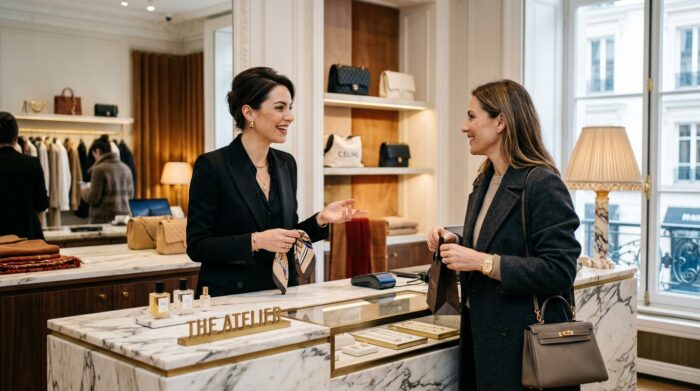
“The thing people underestimate is how much of it comes down to genuine rapport with the sales associate,” Altieri added. “These are people making judgment calls, not algorithms. A customer they like, trust and enjoy seeing is going to get preferential treatment whether or not the policy manual says so.”
Reddit threads and enthusiast forums confirm these judgment calls.
A shopper in the Reddit, r/rolex thread noted a Rolex sales associate told them there was no waitlist but offered to “register their interest” in the item. Another thread showed buyers comparing wait times by model and purchase history, with some noting the system can feel inconsistent to the point of arbitrariness.
On Reddit’s r/TheHermesGame, posters swap detailed theories about “prespend,” city-by-city expectations and what categories count toward eventually being offered a Birkin or Kelly. PurseForum threads can also read like field reports from people trying to navigate an opaque gatekeeping system.
Of course, the waitlist—or the perception that one exists—has its own value.
According to Hermès’ FAQ on its website, the Birkin, Kelly and Constance handbags are sold exclusively in its stores, where customers are invited to discuss availability. The broader market, however, is a little murkier. Some Kelly-branded Hermès bags appear on Hermès.com, while new or “never-worn” Birkins, Kellys and Constances are widely available through various luxury resellers.

“Psychologically speaking, retailers know that if you make something harder to get, consumers tend to believe it is in higher demand, even if it isn’t,” Adams said.
That uncertainty may be the most telling part. In many cases, the “waitlist” is less a visible line than an obscure expression of interest—one that shoppers may never know whether they are actually in consideration, where they rank or whether the list exists in any formal sense at all.
Of course, the secondary market offers coveted Rolexes, Birkins, Kellys and Constances that often can be purchased immediately—sometimes new, sometimes used or never worn. But that version of access comes with its own complications, from steep resale premiums to the need for careful authentication.
So it seems money can still get you the thing. Just not always through the front door.